Captivating Urban Stories in Literature
- Pharaoh Allah

- Nov 18, 2025
- 4 min read
There is a pulse that beats beneath the concrete, a rhythm that hums through the alleys and skyscrapers, whispering tales of lives intertwined with the city’s breath. Urban storytelling is not just about the setting; it is the soul of the city captured in words, a mosaic of voices, dreams, and struggles painted vividly across pages. When I dive into these stories, I find myself walking the streets alongside characters who live, love, and fight in the shadows and lights of urban landscapes. The city becomes a character itself - alive, breathing, and endlessly fascinating.
The Heartbeat of Urban Storytelling Insights
Urban storytelling insights reveal how cities shape narratives and how narratives, in turn, shape our understanding of cities. These stories are not mere backdrops; they are living, breathing entities that influence every plot twist and character arc. The city’s noise, its silence, its chaos, and its calm all weave into the fabric of the tale. From the narrow, graffiti-stained alleys to the towering glass facades, every corner holds a story waiting to be told.
Take, for example, the works of James Baldwin or Zadie Smith, whose prose captures the complexity of urban life with poetic precision. Their stories pulse with the energy of the streets, the clash of cultures, and the search for identity amid the sprawling metropolis. These narratives invite us to listen closely - to the hum of the subway, the chatter in cafés, the footsteps echoing on rain-slicked sidewalks. They remind us that cities are not just places but experiences, emotions, and histories layered one upon another.

Weaving Stories Through Urban Landscapes
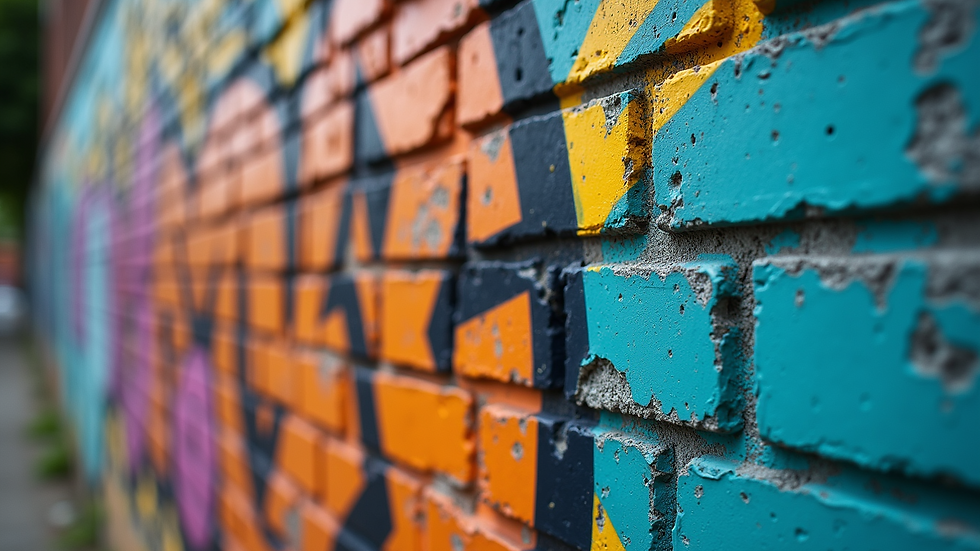
Urban landscapes are more than settings; they are storytellers themselves. The cracked pavement, the flickering streetlights, the murals on brick walls - each element contributes to the narrative’s texture. When I write or read urban stories, I imagine the city as a vast canvas, where every detail adds depth and meaning.
Consider the way a city’s architecture reflects its history and its people. The old tenement buildings tell tales of immigrant struggles and dreams, while sleek skyscrapers speak of ambition and modernity. Writers use these contrasts to highlight themes of change, resilience, and hope. The city’s geography becomes a metaphor for the characters’ journeys - uphill battles, dead ends, and open avenues.
To truly capture urban storytelling, one must engage all senses. The smell of street food mingling with exhaust fumes, the distant siren’s wail, the tactile roughness of a graffiti-covered wall - these sensory details ground the story in reality and invite readers to step inside the narrative fully.
The Power of Characters in Urban Narratives
Characters in urban stories are often mirrors reflecting the city’s diversity and complexity. They are the dreamers, the fighters, the lost, and the found. Their lives intersect in unexpected ways, creating a tapestry of human experience that is as rich and varied as the city itself.
I find that the best urban characters are those who embody contradictions - strength and vulnerability, hope and despair, isolation and community. Their stories resonate because they are real, flawed, and deeply human. Whether it’s a young poet scribbling verses in a cramped apartment or an elderly shopkeeper watching the neighborhood change, these characters bring the city to life.
Urban storytelling also thrives on dialogue - the slang, the accents, the rhythms of speech that give voice to different communities. This linguistic diversity adds authenticity and vibrancy, making the narrative pulse with life.
Crafting Urban Stories That Resonate
Writing urban stories that captivate requires more than just setting a tale in a city. It demands an intimate understanding of the urban experience and a commitment to portraying it with honesty and nuance. Here are some practical tips I’ve gathered over time:
Immerse Yourself in the City - Walk its streets, listen to its sounds, observe its people. The more you experience, the richer your storytelling.
Focus on Details - Small, specific details create vivid imagery and emotional connection.
Develop Complex Characters - Avoid stereotypes. Let your characters surprise you and your readers.
Use the City as a Metaphor - Let the urban environment reflect your themes and character arcs.
Incorporate Diverse Voices - Celebrate the multiplicity of urban life through varied perspectives.
Balance Poetry and Prose - Blend lyrical language with straightforward storytelling to keep readers engaged.
By following these steps, you can create stories that not only entertain but also provoke thought and empathy. Urban literature is a powerful tool for exploring social issues, cultural identity, and human resilience.
Embracing the Future of Urban Storytelling
As cities evolve, so too does urban storytelling. The digital age offers new platforms and formats - from podcasts to graphic novels - expanding how stories are told and shared. Yet, the core remains the same: a desire to capture the essence of urban life in all its complexity.
At 9Hieroglyph, the mission is clear - to become a beacon in the world of literature and entertainment, inspiring readers with diverse, thought-provoking urban stories. This vision is about more than publishing; it’s about building a community where voices from every corner of the city can be heard and celebrated.
For those who love urban literature, poetry, and conscious media, the future is bright. The city’s stories are endless, and each one holds the power to transform how we see ourselves and the world around us. So, let us continue to listen, to write, and to share these captivating urban tales - for in them lies the heartbeat of humanity itself.


Comments